Why Using a Residential Electrician Is Important for Home Safety!
Bringing in a residential electrician is critical for assuring home security measures. Many property dwellers ignore the difficulties of electrical systems. DIY attempts can spark grave hazards, such as fire incidents or electrical exposure. Licensed electrical specialists offer fundamental proficiency, assuring compliance with local requirements and protective guidelines. The repercussions of avoiding sound electrical installation can be catastrophic. Comprehending the significance of professional guidance can make a substantial difference in home protection. What distinct benefits can these specialists present?
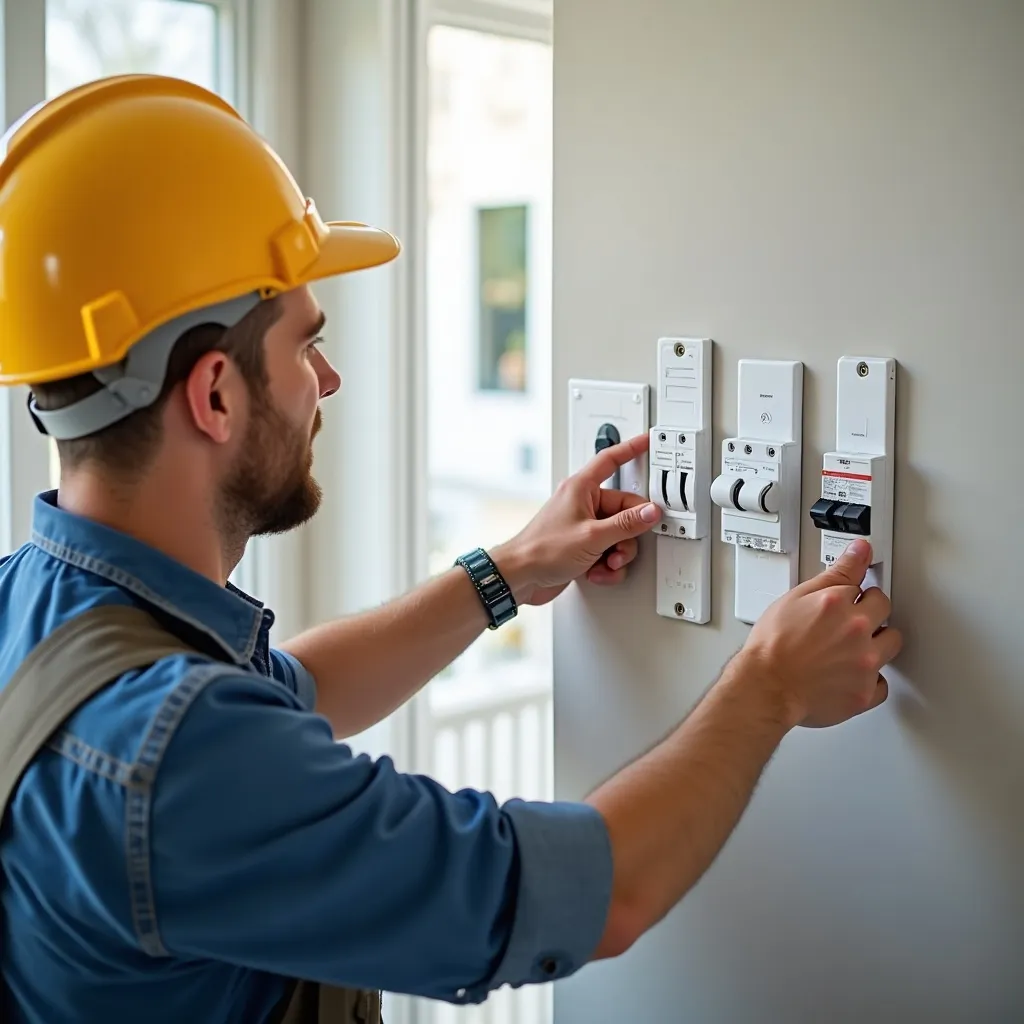
Understanding the Risks of DIY Electrical Tasks
Engaging in DIY electrical work can seem attractive for property owners seeking to reduce examination costs, but it carries significant risks. Many people overlook the complexity of electrical systems, often resulting in faulty setups or corrections. This lack of expertise can result in power malfunctions, blazes, or shock hazards, endangering both the homeowner and their property.
In addition, DIY activities might not adhere to local building codes, potentially resulting in legal complications or costly fines.
Additionally, without the adequate tools and safety gear, dwellers may create danger of risky environments. Even seemingly simple tasks, such as putting in a new light fixture, can have unforeseen complications if not carried out correctly.
There is also concern about the risk of prolonged deterioration to the home's electrical system.
The Know-how That Ensures Your Home Safe
Regarding ensuring home safety, a residential electrician's expertise is crucial.
They perform thorough safety inspections, ensuring all systems are operating correctly and meet regulatory standards.
Moreover, their knowledge of code standards and experienced troubleshooting abilities avert potential hazards before they evolve into serious issues.
Thorough Protection Inspections
A thorough safety inspection performed by a licensed residential electrician is important for maintaining a protected home space. During this operation, electricians inspect wiring, outlets, and electrical panels to uncover potential hazards.
They check for aged equipment that may present fire risks or result in electrical failures. Additionally, they inspect the grounding and bonding systems to guarantee they meet safety standards.
By identifying issues such as overloaded circuits or faulty wiring, electricians deliver homeowners with practical recommendations to reduce risks. These inspections not only enhance safety but also boost energy efficiency, potentially reducing utility bills.
In the end, ongoing safety evaluations safeguard both the property and its occupants, assuring a trustworthy electrical infrastructure that works efficiently.
Code Conformance Assurance
Code compliance assurance serves as a crucial element in guaranteeing the reliability and safety of residential electrical systems.
Skilled electricians are proficient in local, state, and national electrical codes, which are meant to guard homeowners from conceivable threats. These codes address various aspects, such as wiring methods, circuit protection, and grounding techniques, all important for safe operation.
By complying with these regulations, electricians reduce the threat of electrical fires, electrical shock, and system malfunction. Moreover, compliance is typically a requirement for homeowner's insurance and can impact home value.
Homeowners who utilize a licensed electrician guarantee that their electrical setups satisfy necessary standards, granting peace of mind and a safer living environment.
Expert Troubleshooting Abilities
Electrical systems can have difficulties despite maintaining safety codes. When troubles emerge, skilled troubleshooting becomes critical.
Residential electricians possess advanced expertise and qualifications that allow them to identify problems efficiently, often before escalation into serious hazards. Their capacity to evaluate complex wiring systems and pinpoint problems ensures that homeowners are not left in the dark—literally and figuratively.
These professionals employ advanced tools and techniques to pinpoint malfunctions, whether it's a flickering light or a blown circuit. By tackling these problems promptly, they not only return systems to working order but also improve the overall security of the home.
Ultimately, turning to a skilled electrician for troubleshooting serves as a proactive step toward safeguarding both property and residents.
Determining the Most Fitting Home Electrician
Finding the proper electrical professional requires thoughtful analysis of several key factors.
Home buyers should confirm credentials and licenses to ensure regulatory adherence with local regulations.
Also, consider the electrician's qualifications and abilities, and obtain comprehensive estimates for complete transparency.
These steps help in making an well-reasoned choice that prioritizes quality and safety.
Validate Qualifications And Certifications
Before engaging a residential electrician, it is essential to confirm their credentials and licenses to guarantee compliance with local regulations and industry standards. This step guarantees that the electrician has undergone the necessary training and possesses the knowledge required for safe and efficient electrical work.
Proper licensing verification guards homeowners from potential liabilities and ensures that the electrician adheres to safety protocols. Additionally, confirming credentials can help identify professionals who maintain knowledge of the latest industry practices and technologies.
Homeowners should request insurance documentation and confirm that the electrician possesses any required certifications. Taking these precautions not only improves security but also builds confidence in the quality and reliability of the electrical services delivered.
Analyze History And Capability
Assessing the competence and experience of a home electrical specialist is essential for ensuring outstanding quality. A seasoned electrician regularly brings a wealth of knowledge gained through years of practical field experience. This background assists them to handle various electrical systems and troubleshoot issues effectively.
Potential clients should ask regarding the electrician's particular specializations, such as residential wiring, lighting installations, or electrical repairs. Furthermore, understanding the kinds of projects they have previously completed can offer understanding of their capabilities.
Client feedback and ratings from former customers can also act as useful guides in evaluating dependability and service standards. By thoroughly reviewing an electrician's experience and expertise, homeowners can choose confidently that stress safety and performance.
Obtain In-depth Pricing
In what ways can property owners guarantee they receive fair pricing and excellent workmanship when hiring a home electrical contractor? One proven approach involves requesting detailed estimates from several electrical professionals.
This method not only supports evaluating costs but also supplies understanding of the scope of work involved. Homeowners should validate that estimates encompass labor, materials, and any additional fees. A candid estimate showcases the electrician's professionalism and eagerness to communicate.
Furthermore, it enables homeowners to question any unclear charges, fostering a better understanding of the project. By obtaining multiple estimates, homeowners can make informed decisions, thereby guaranteeing they employ a qualified residential electrician who satisfies their needs while adhering to safety standards.
Leading Electrical Issues Optimally Addressed by Technicians
When electrical issues surface in a home, it's critical to determine which issues necessitate professional expertise. Frequent electrical issues that should be given to trained electrical professionals involve frequent circuit breaker trips, which may demonstrate overloads or faulty wiring.
Flickering lights may reveal substantial concerns, including faulty connections or aging electrical systems. Additionally, outlets that feel warm or produce a scorched odor create major fire hazards and require prompt examination.
One more concern is the setup of new electrical systems or fixtures, which often requires adherence to local safety standards and codes. Homeowners should also seek expert assistance for any electrical work involving the main service panel, as mistakes in this area can result in unsafe conditions.
Why Following Codes Is Important for Safety
Confirming that electrical work adheres to code compliance serves a vital purpose in maintaining safety within residential environments. Electrical codes are established to reduce hazards such as fires, electrocution, and property damage. These regulations are created based on extensive research and industry standards, reflecting the latest safety practices.
When homeowners engage a residential electrician, they gain benefits from the specialist's proficiency in overseeing these codes, making sure all installations and repairs are code-compliant.
Failure to comply can result in risky circumstances, such as faulty wiring and inadequate grounding, which may not only pose hazards to inhabitants but also affect policy protection. Additionally, properties that do not meet code standards can face penalties or issues during real estate transactions.
In the final analysis, adhering to electrical codes is imperative for safeguarding lives and property, stressing the importance of retaining qualified electricians for all electrical work.
Maximize Long-Term Financial Benefits with Professional Installations
Investing in professional electrical installations can yield significant long-term savings for homeowners. Skilled electricians assure that all wiring and systems are set up properly, reducing the likelihood of costly repairs and replacements due to defective installation. By adhering to safety codes and selecting superior materials, specialists minimize the risk of hazardous electrical situations, which can lead to expensive damage or even fire.
Also, efficient energy technologies can reduce utility bills over time. For instance, transitioning to energy-saving lighting and equipment can result in noteworthy savings on electricity costs. Additionally, professional electricians can share expertise on streamlining electrical operations for better efficiency.
In the final analysis, while the initial cost of hiring a professional electrician may look higher than a DIY approach, the sustained benefits—such as decreased repair costs and lower energy bills—clearly surpass the upfront investment.
Property owners can shield their financial interests and residences by focusing on skilled electrical work.
The Peace of Mind That Accompanies Professional Services
Assurance and calm typically comes with the choice to employ a professional electrician. Homeowners can be confident knowing that their electrical systems are in the hands of qualified professionals who understand the complexities of wiring, circuits, and safety regulations.
Professional electricians possess the necessary certifications and experience to recognize potential hazards, ensuring that installations and repairs adhere to safety regulations.
Moreover, bringing in a competent minimizes the threat of electrical issues that could precipitate unsafe conditions such as fires or electrical injury. The reassurance that a qualified specialist has handled the work permits homeowners to attend to their normal routines without worrying about unknown hazards.
Moreover, numerous professional electricians provide warranties for their labor, further increasing the peace of mind.
Ultimately, relying on a skilled electrician not only protects your home but also fosters a worry-free environment, allowing families to thrive without the weight of unresolved electrical issues.
Often Raised Questions
How Can I Spot a Certified Residential Electrician?
To locate a experienced residential electrician, one should check for adequate licensing, insurance, and references. Additionally, reviewing web-based feedback and gathering advice from friends or family can help guarantee the electrician's trustworthiness and skill.
What Are the Signs of Electrical Problems in My Home?
Wiring issues can show signs such as lights that flicker, tripped circuit breakers, warm outlets, odors of burning, and discolored switches. Unusual noises coming from outlets or appliances might also reveal potential issues requiring urgent action from a qualified professional.
How Frequently Should I Have My Electrical System Inspected?
Homeowners should have their electrical systems inspected every three to five years. Regular inspections help identify potential issues early, ensuring safety and efficiency while minimizing risks associated with outdated or faulty electrical components in the home.
Is It Possible for Me to Perform Minor Electrical Repairs Myself?
While small electrical fixes may seem manageable, it's generally advisable to contact an expert. Insufficient expertise can lead to dangerous conditions, possible regulatory breaches, or costly damage, emphasizing the necessity for expert assistance for electrical work.
What Must I Do in Event of an Electrical Emergency?
During an electrical incident, it is important to quickly shut off the power at the circuit breaker, avoid contact with live wires, and call a qualified electrician for assistance. Safety should always be the top priority.